The vagus nerve has had a strange decade. It went from medical-school footnote to wellness-aisle protagonist in the span of about ten years, and most of what is now sold under its name is either oversimplified or simply wrong. The actual nerve, however, is more interesting than the marketing.
What it is
The vagus is the tenth cranial nerve. It exits the brainstem, fans through the neck, and innervates almost every organ between the jaw and the colon — the heart, the lungs, the stomach, the liver, the small intestine. About eighty percent of its fibers are afferent, meaning they carry information from the body up to the brain, not the other way around. This single fact reorders most of what we assume about thinking and feeling.
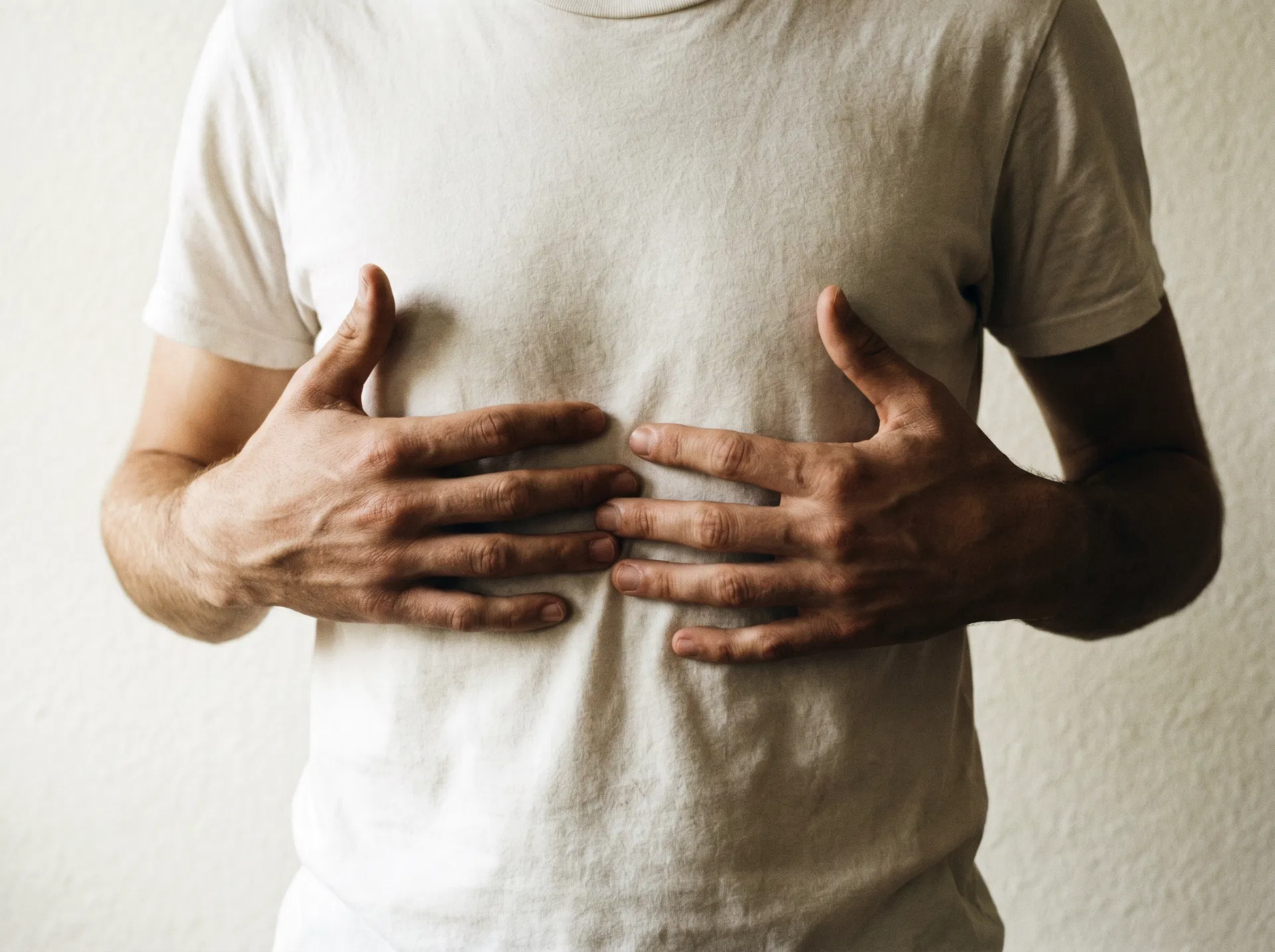
Your brain is not in charge of how you feel. It is, in large part, narrating sensations sent up from your viscera.
Vagal tone
Vagal tone is the technical phrase for how responsive this nerve is. High tone means your body can shift quickly between activation and recovery — the autonomic equivalent of good cardiovascular fitness. Low tone means the system is sluggish in both directions: slow to mobilize, slow to settle.
We measure tone indirectly through heart rate variability (HRV), which captures the millisecond-level differences between consecutive heartbeats. A healthy heart does not tick like a metronome; it breathes.
Four interventions with real data
1. Slow, extended exhalation
The cleanest, cheapest intervention. Inhaling activates the sympathetic branch slightly; exhaling activates the parasympathetic. Lengthening the exhale relative to the inhale shifts the balance. A 4-in / 6-out pattern for two minutes raises HRV measurably in most subjects.
2. Cold exposure to the face
The mammalian dive reflex is mediated by the vagus. Splashing the face with cold water — or holding a cold pack across the eyes and forehead for thirty seconds — can break a panic spiral in real time. It is unceremonious and it works.
3. Humming, gargling, singing
The vagus innervates the muscles of the larynx and the soft palate. Vibration in this region directly stimulates the nerve. Five minutes of humming through pursed lips at a comfortable pitch is not a parlor trick; it is a clinical-grade input.
4. Predictable, gentle social contact
Stephen Porges' polyvagal work is not without critics, but the core observation is robust: the human nervous system is calmed most reliably by another regulated nervous system. A short, in-person conversation with someone who is themselves at ease will outperform almost any solo intervention.
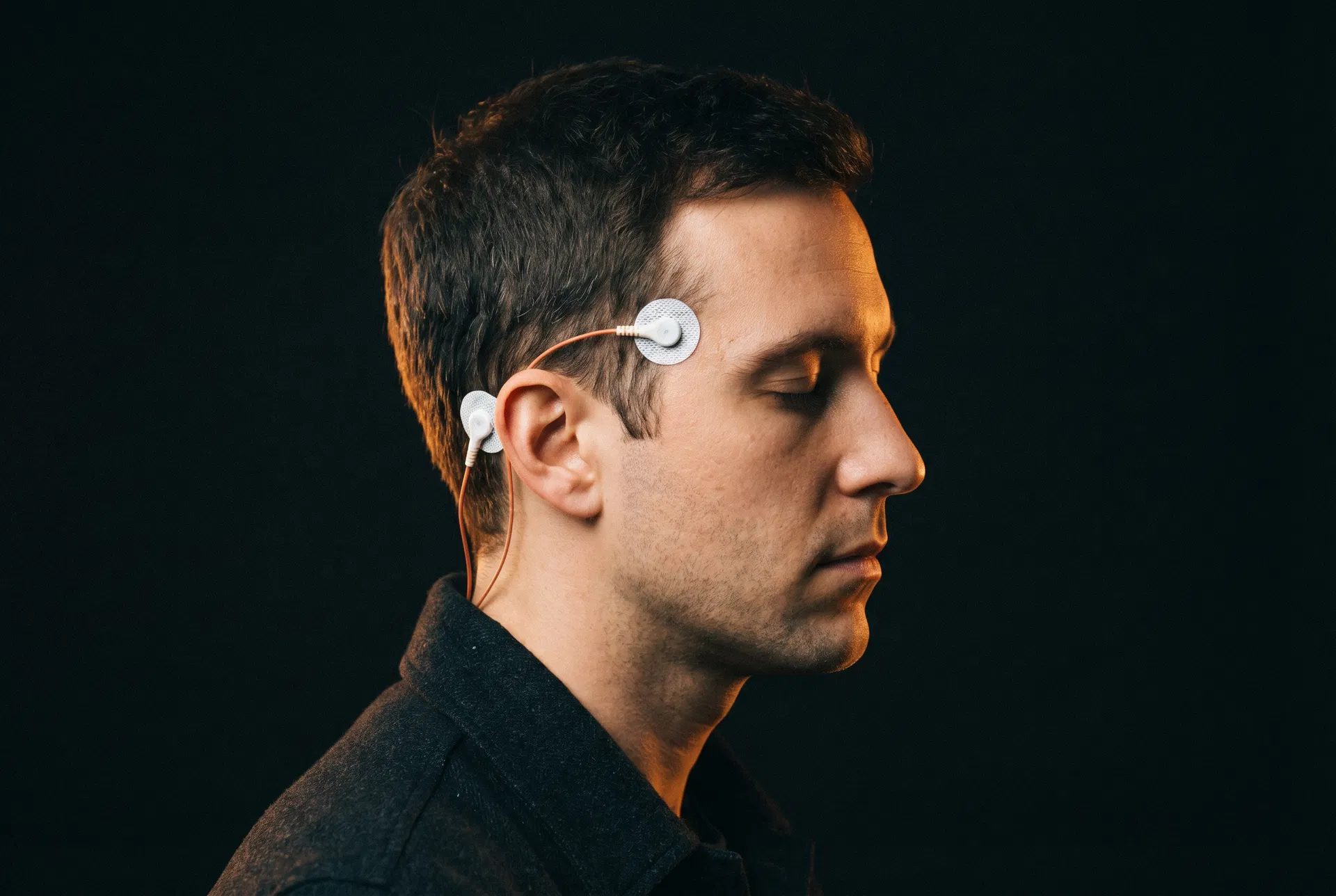
Most consumer-grade transcutaneous vagus nerve stimulators (the small ear-clip devices) have weak peer-reviewed evidence outside of specific medical indications like treatment-resistant depression and epilepsy, where the implants are surgical.
The honest summary
You do not need a device. You need a daily, repeatable input that tells the longest nerve in your body that the threat has passed. Done consistently for six weeks, the change is measurable on any decent HRV tracker. Done for six months, it is measurable in how your colleagues describe you.
The 14-Day Reset
Read enough? Start the work.
Two weeks of one-to-one nervous system recovery in Miami, with Dr. Mesquite and his team.

About the writer
James Okafor
Science Correspondent
Translates peer-reviewed neuroscience into language that actually changes behavior.